Key takeaways
- List critical loads before choosing equipment.
- Plan fuel, placement and noise early.
- Test on a schedule and keep the reports.
- Coordinate work with tenants and business hours.
Start with the critical loads
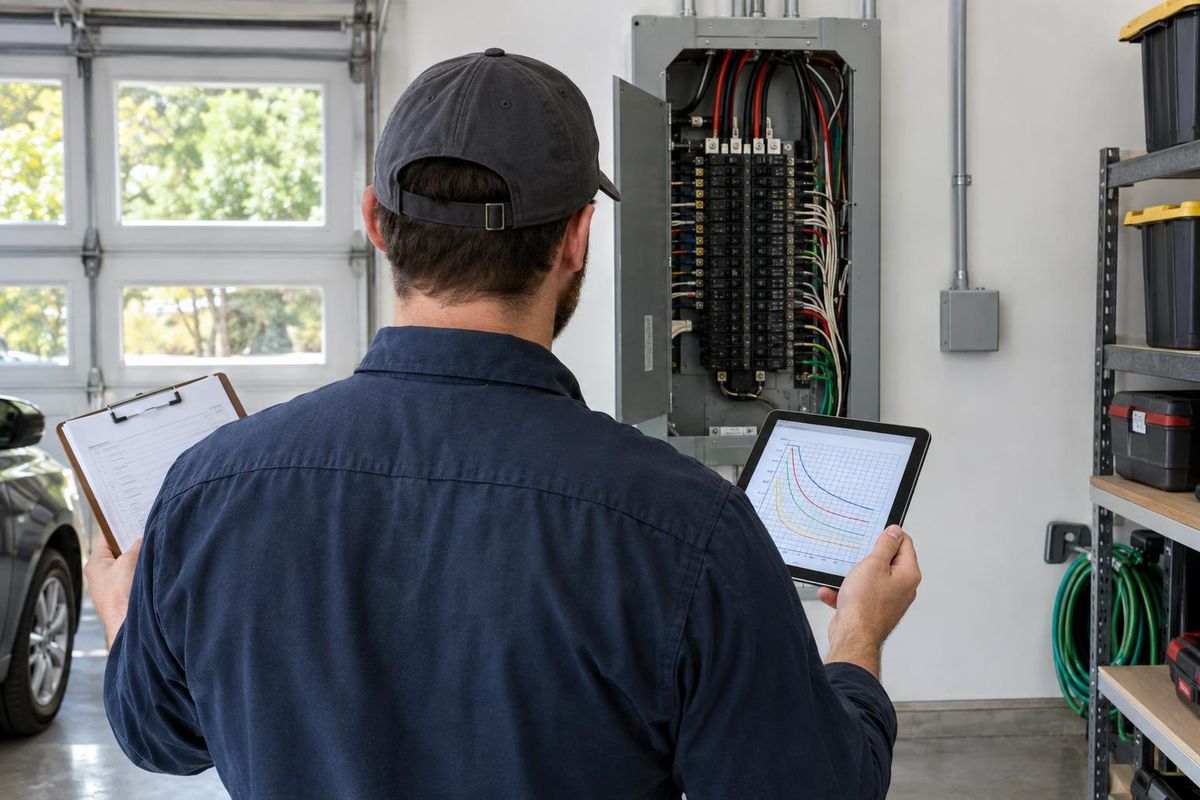
Decide what must stay on: refrigeration, point-of-sale, lighting, life-safety systems, servers or equipment. Everything else is optional.
This list drives the size and the budget conversation.
Fuel and placement
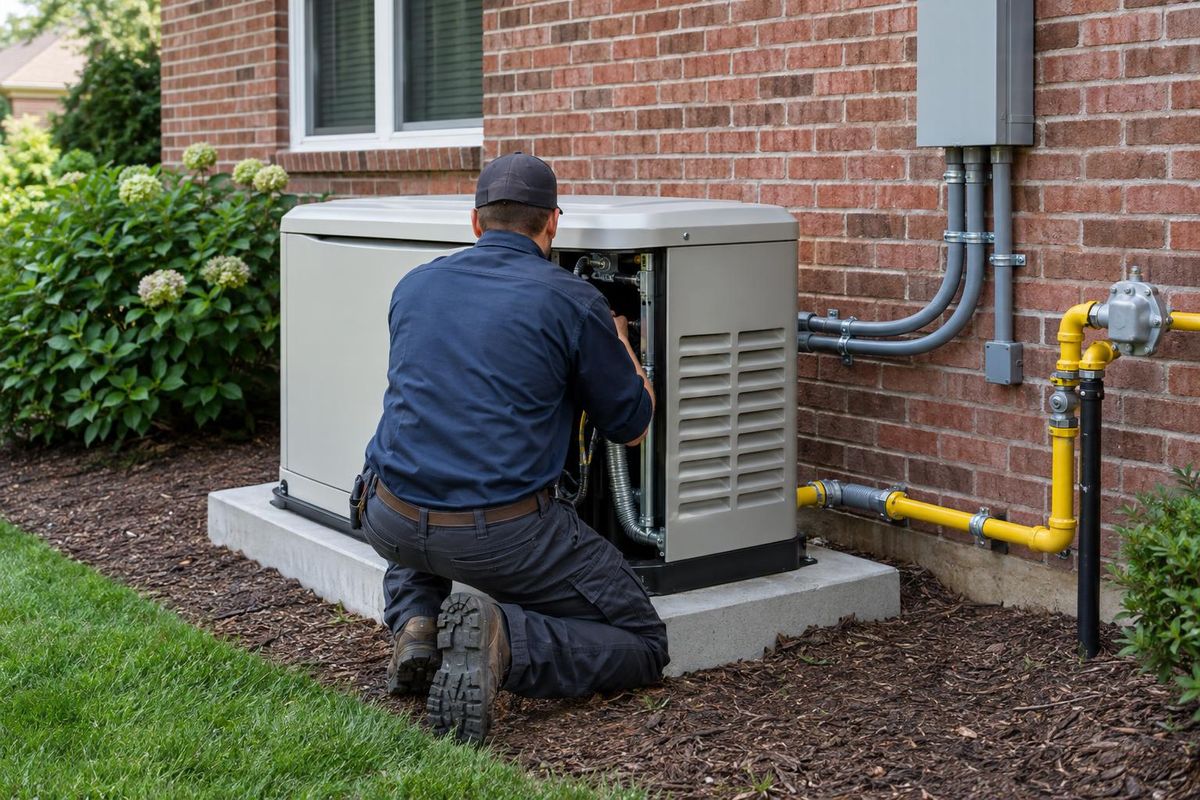
Natural gas, propane and diesel each have trade-offs in storage, supply and code. Placement affects noise, access and neighbors.
Check lease and landlord rules early.
Testing and records
A generator that is never loaded can fail when it matters. Schedule regular load tests and keep written reports for your files and for inspectors.
A maintenance plan makes this routine.
Work around the business
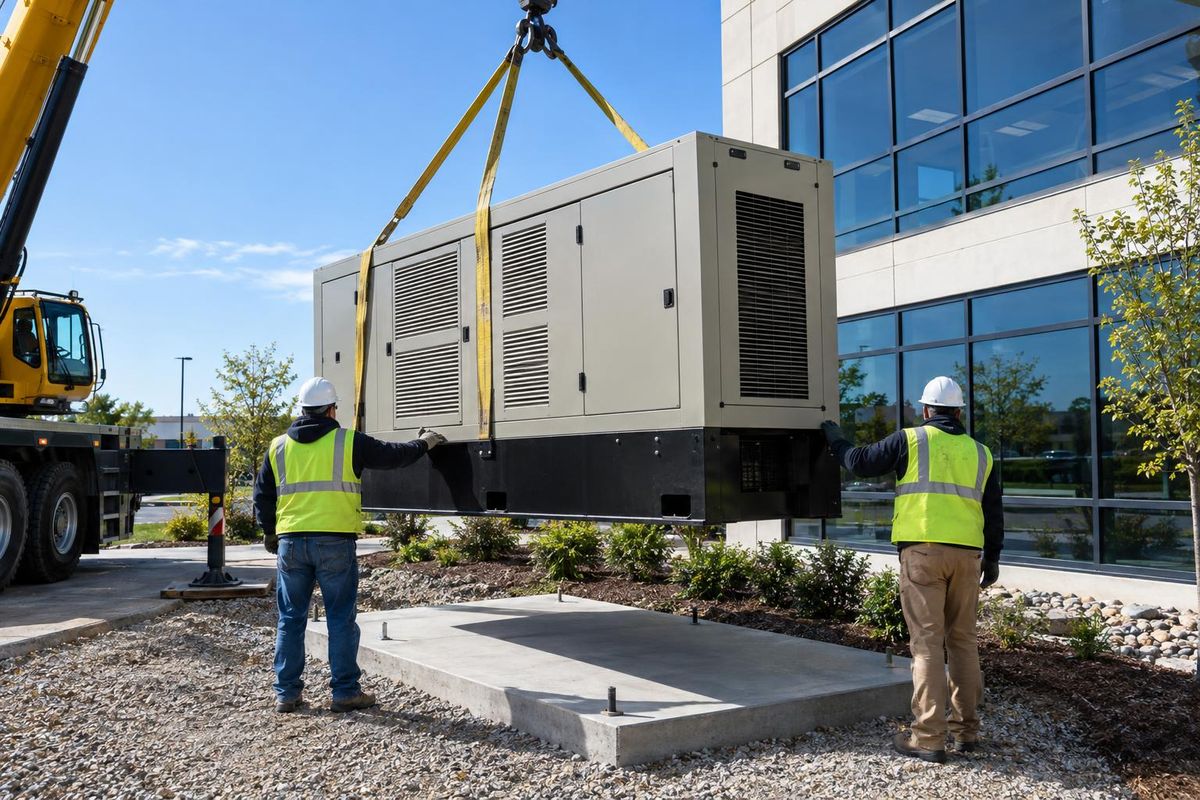
Good scheduling avoids peak hours and keeps tenants informed. Cranes, shutdowns and inspections need coordination.
Ask contractors how they handle access and communication.
Quick answers
How big should a commercial generator be?
It depends on the critical loads and the service. A load review gives a real answer.
Can you document testing for my files?
Yes. You receive written reports after each test.