Key takeaways
- Standby generators start on their own and run for days.
- Portable generators need you to set them up and refuel them.
- Either needs a safe connection to the house.
- The best choice depends on your loads, your budget for work and how often you lose power.
How a standby generator works
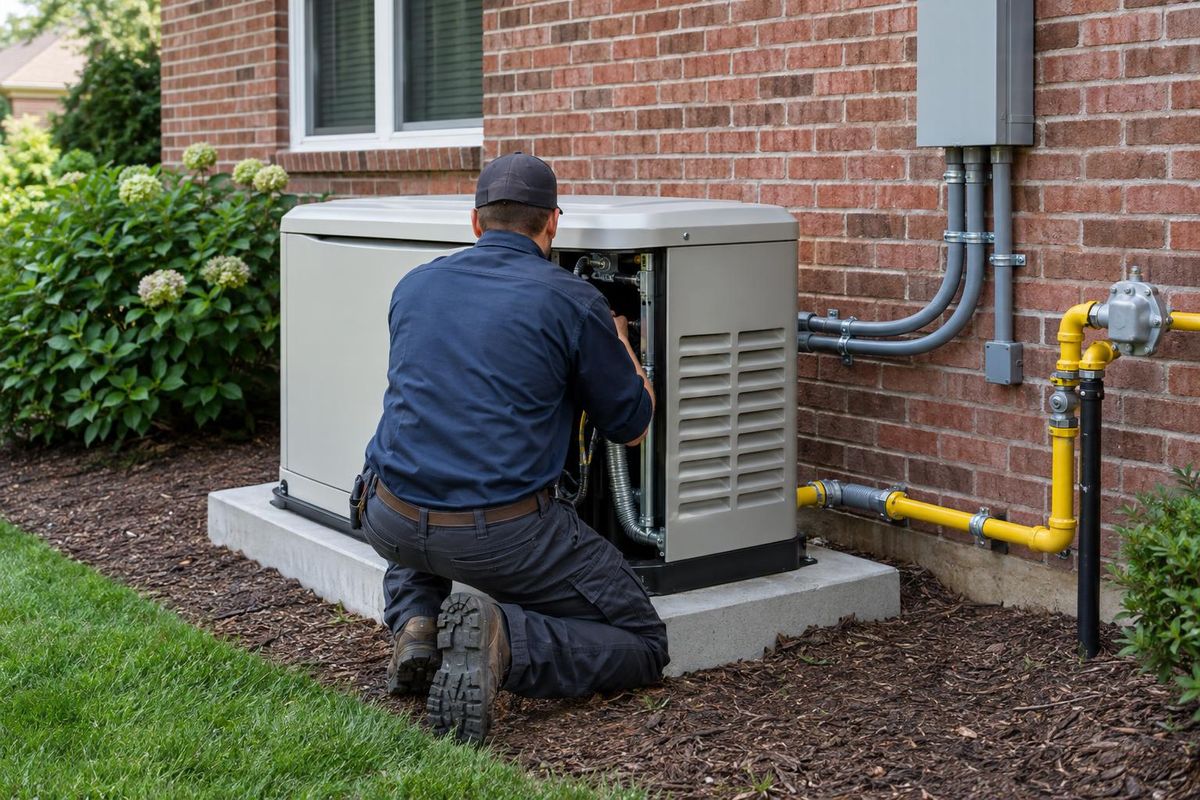
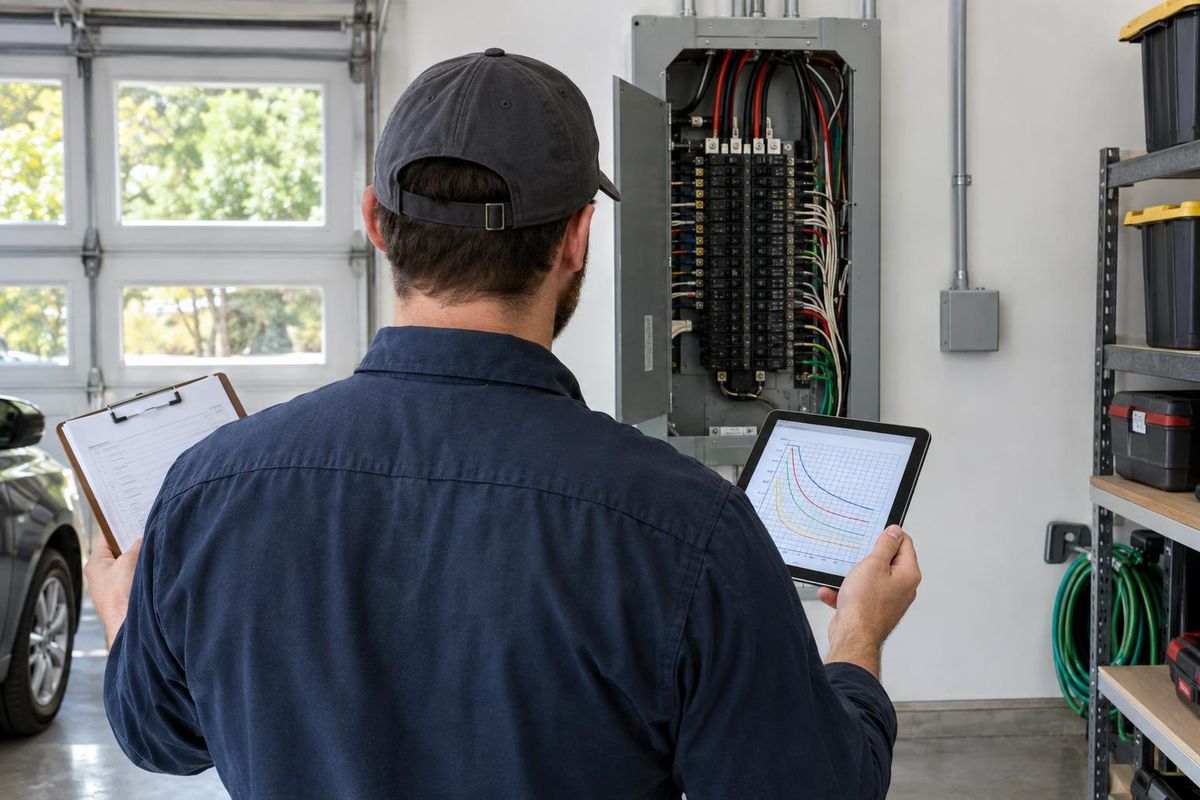
A standby generator is permanently installed outside and fueled by natural gas or propane. A transfer switch senses an outage, starts the unit and moves your circuits over with no action from you.
It suits owners who travel, have medical needs or lose power often.
How a portable generator works
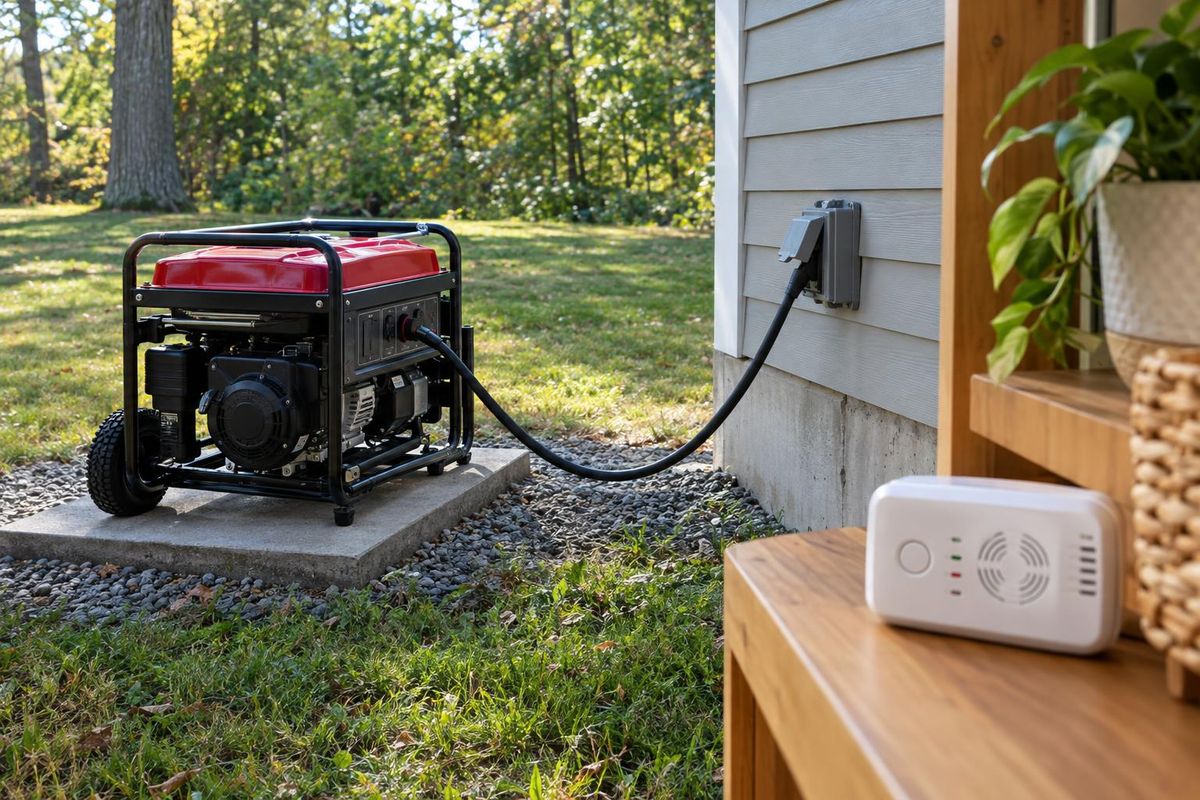
A portable generator is set up when you need it. You wheel it outside, connect it through an inlet or cords and refuel it as it runs, usually with gasoline or propane.
It is simpler and less involved, but it takes effort during an outage.
Safety differences
Both must run outdoors and be connected to the house the right way. Portable units add risks of fueling hot equipment, running cords and carbon monoxide if placed carelessly.
A standby unit takes most of that away.
Choosing between them
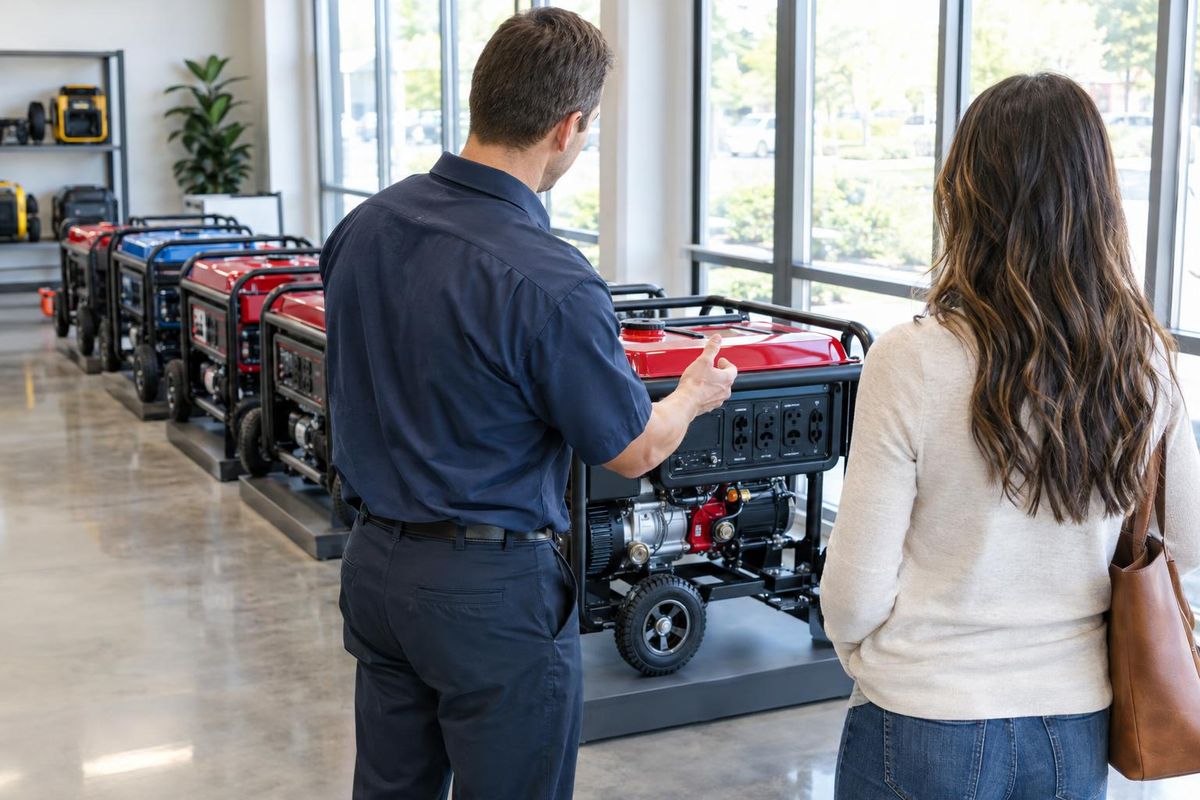
Think about how often you lose power, how long outages last and who will be home. Many households start with a portable setup and an inlet and move to standby later.
A good plan today does not block a better one tomorrow.
Quick answers
Can I start with portable and upgrade later?
Yes. Many people install an inlet and a transfer arrangement first, then add a standby generator later.
Which one is quieter?
Quiet depends on the model. Many modern standby units and inverter portables are fairly quiet at a distance.