Key takeaways
- Start with the loads you want to cover, not the size of the house.
- Choose the fuel that fits your property and your outage plan.
- Placement, permits and the transfer switch matter as much as the brand.
- Plan service from the start so it is ready when you need it.
Decide what you want to keep running
Some owners want the whole house, including air conditioning. Others want the refrigerator, lights, furnace fan, internet and a few outlets. That choice drives everything that follows: size, fuel, switch type and the amount of work in the panel.
Write the list down. It makes every other decision easier.
Size the generator to the loads
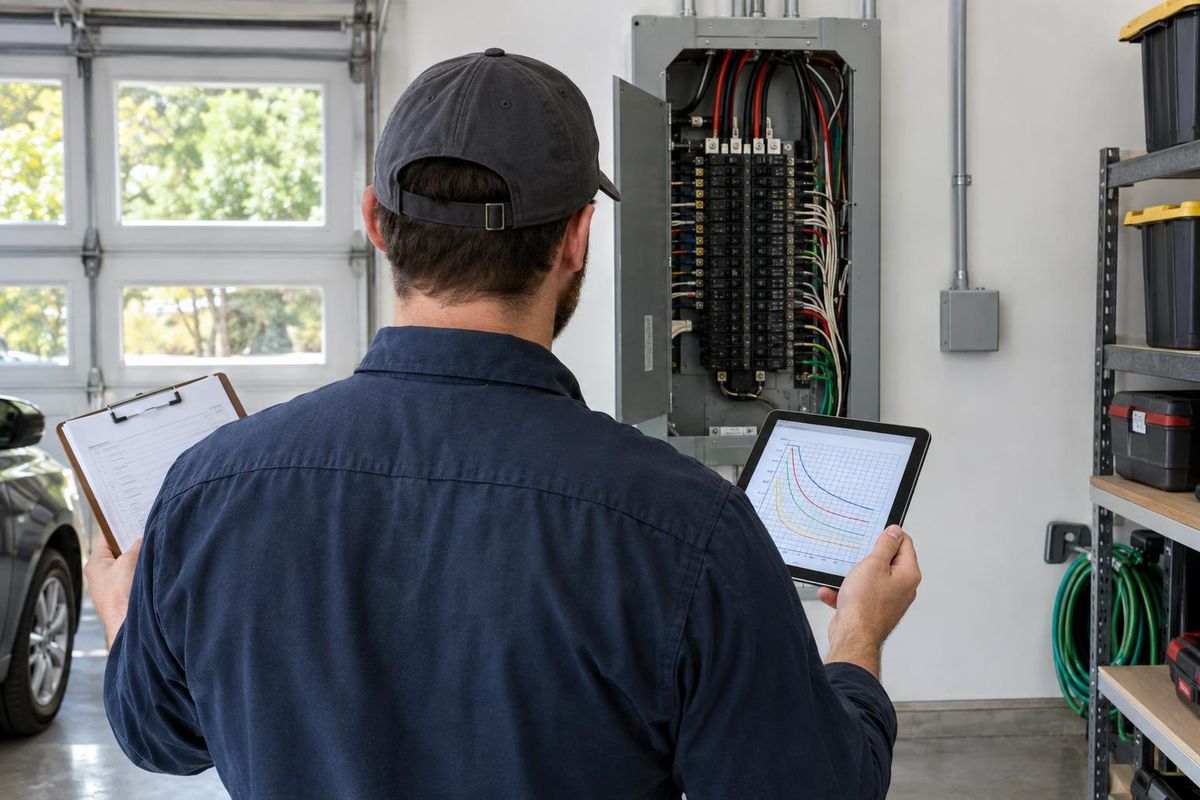
A generator has to handle both the running load and the surge when motors start. Air conditioners, well pumps and compressors are the big ones. A load calculation turns your list into a clear size.
Oversizing wastes fuel and space. Undersizing trips under load.
Pick the fuel
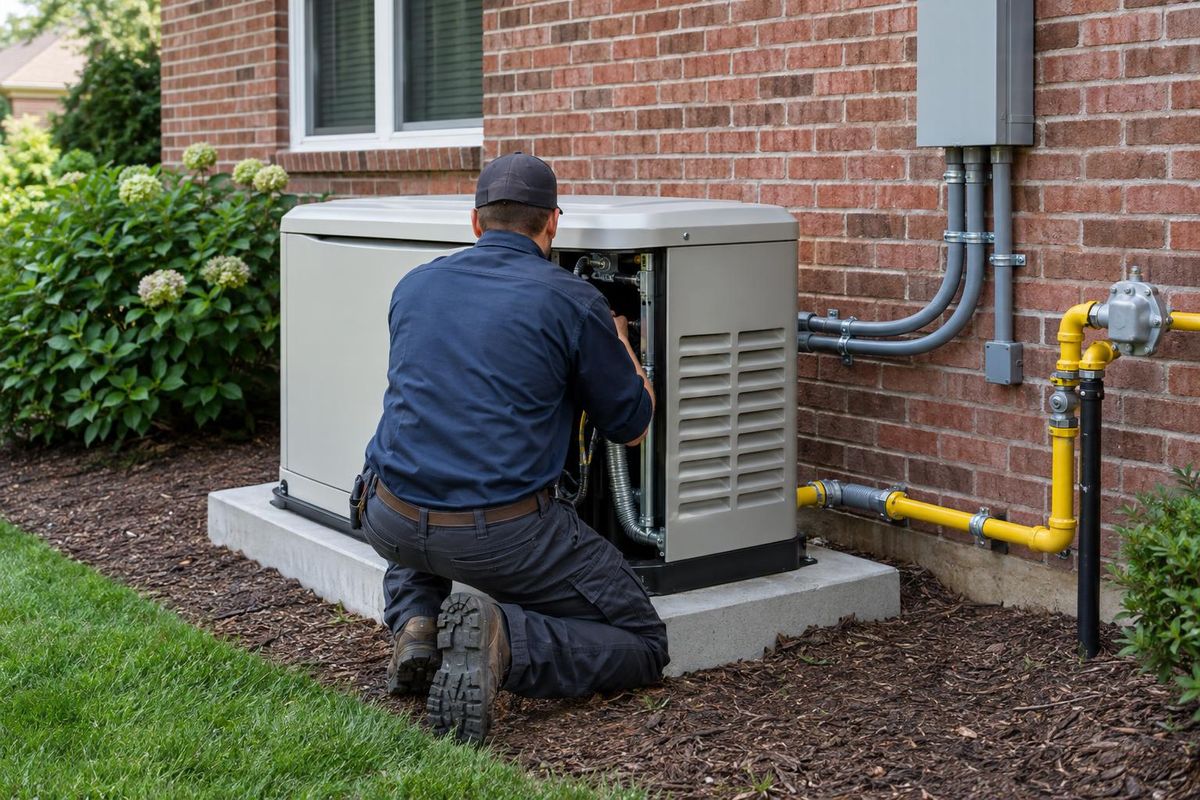
Natural gas is convenient where it is available and does not need refilling. Propane stores well and suits properties without gas service. Diesel is common for larger and commercial sets.
Ask how long you want to run without help, because fuel storage sets the limit.
Plan the location and the paperwork
The unit needs clearance from windows, doors and property lines, a level pad and room for service. Many places require permits and inspections, and some neighborhoods have design rules.
A site visit sorts this out before anything is ordered.
Quick answers
How long does a standby generator installation take?
Many installations take a day or two after permits and equipment are ready. Larger or more complex jobs take longer.
Do I need a transfer switch?
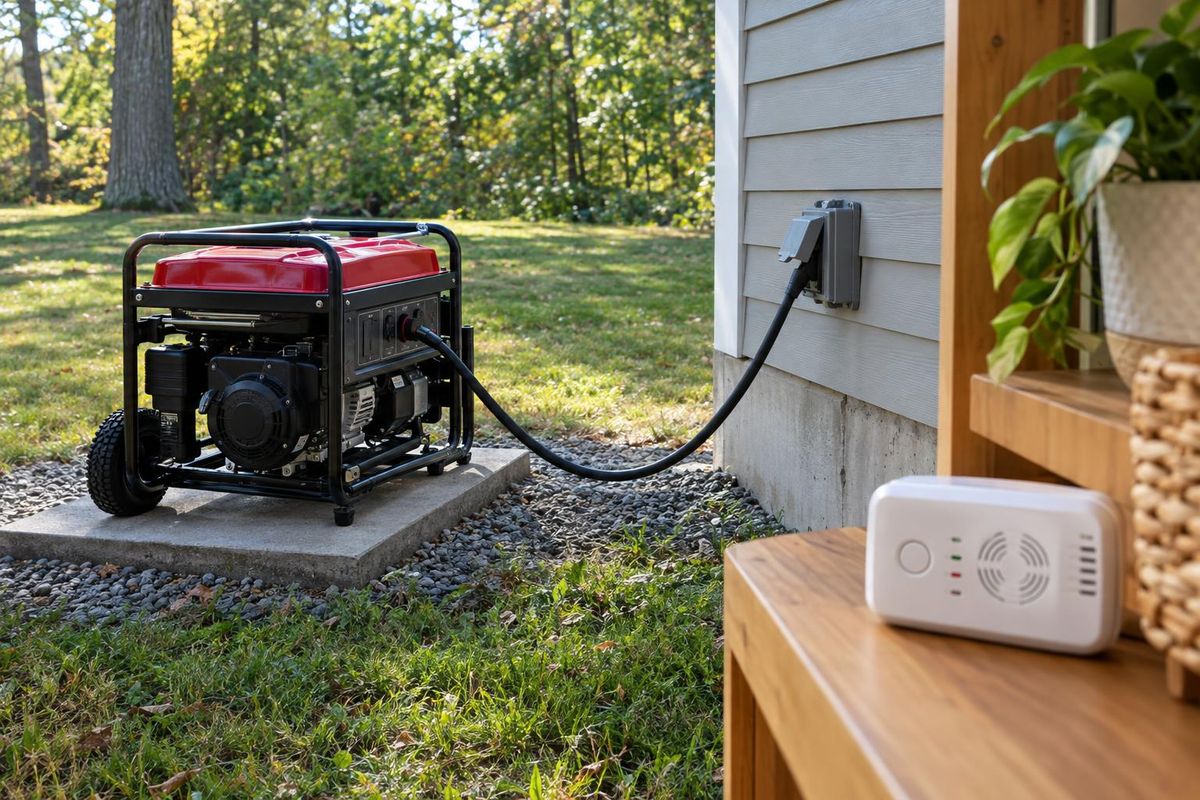
Yes. A transfer switch is what lets the house run on generator power safely and keeps power from flowing back to the utility.