Key takeaways
- A transfer switch moves your circuits between utility and generator power.
- An interlock lets you use your main panel safely with a portable generator.
- Automatic switches work with standby generators.
- Both prevent dangerous backfeed.
What a transfer switch does
It disconnects your circuits from the utility and connects them to the generator, so the two sources are never connected at once. That protects utility workers and your equipment.
Manual switches are flipped by you. Automatic switches act on their own.
Manual transfer switches
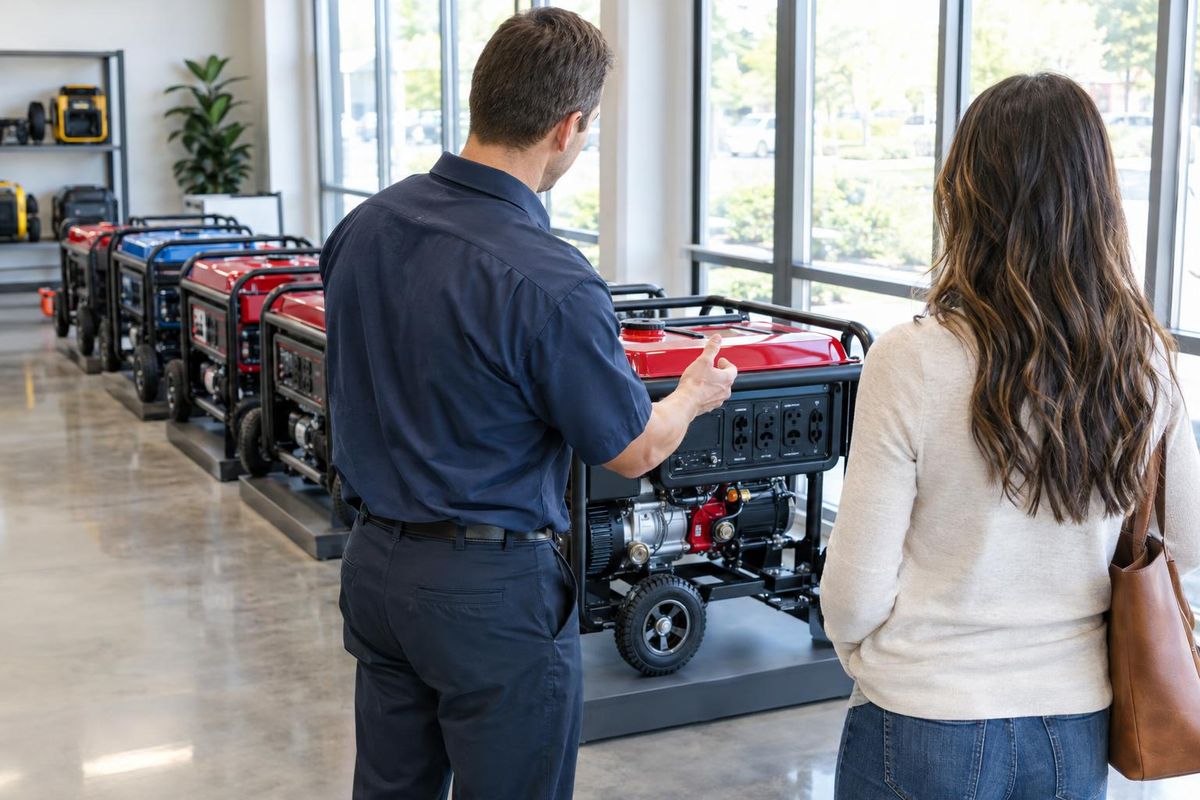
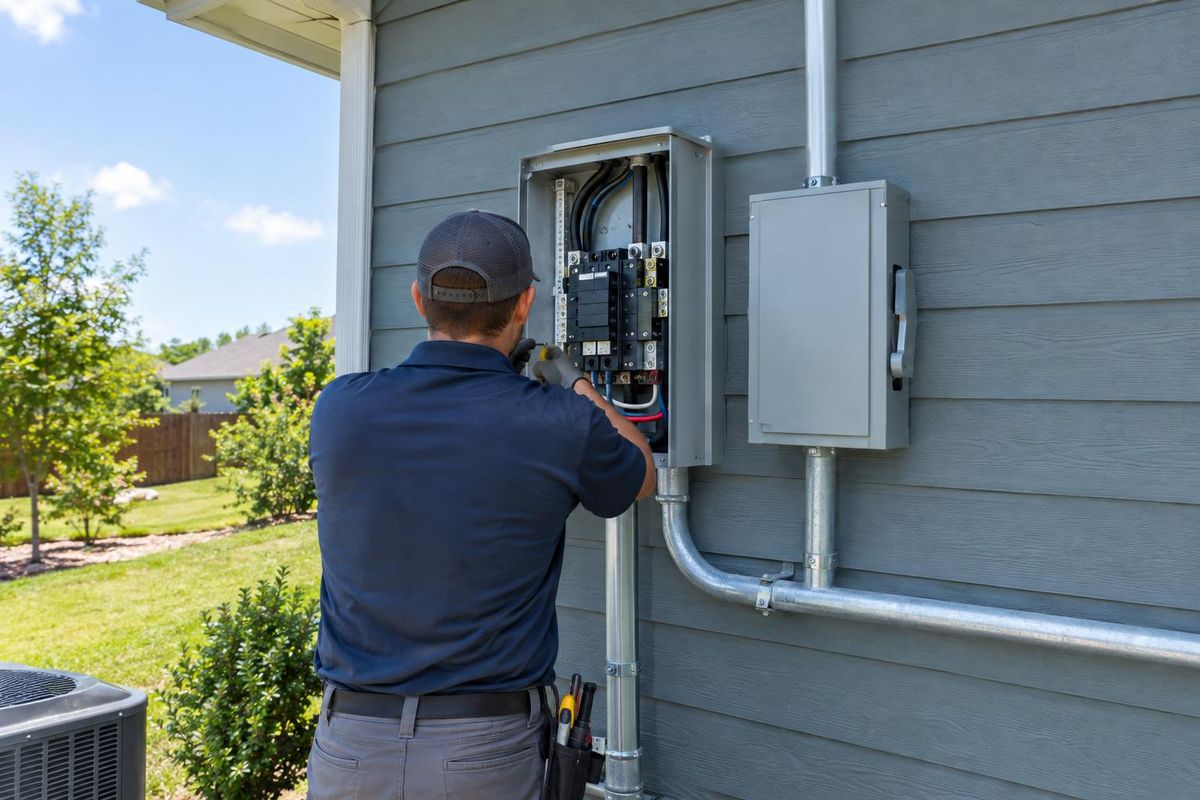
A manual switch feeds selected circuits from a portable generator through an inlet. It is simple and suits a short list of essentials.
You choose the circuits ahead of time.
Interlock kits
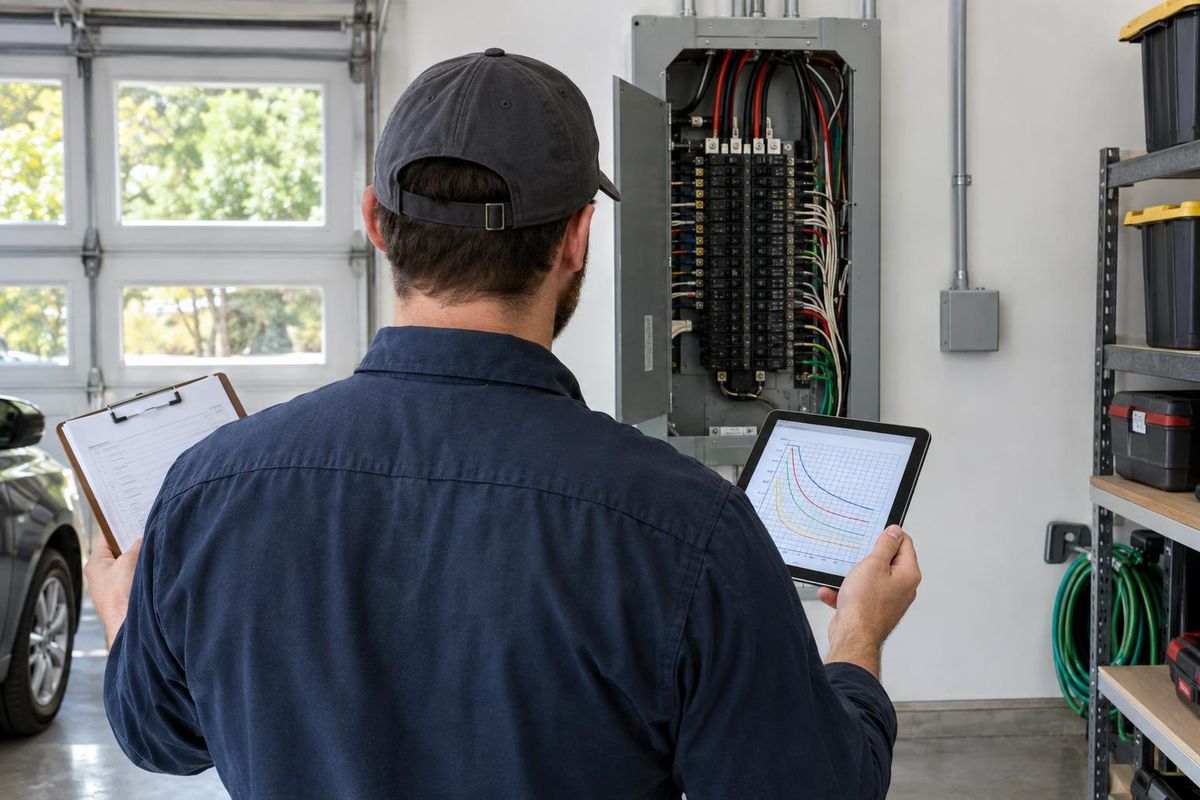
An interlock is a mechanical plate on the main panel that stops the main breaker and the generator breaker from being on together. It lets a portable generator feed the panel directly.
It needs a compatible panel and a proper inlet.
Automatic transfer switches
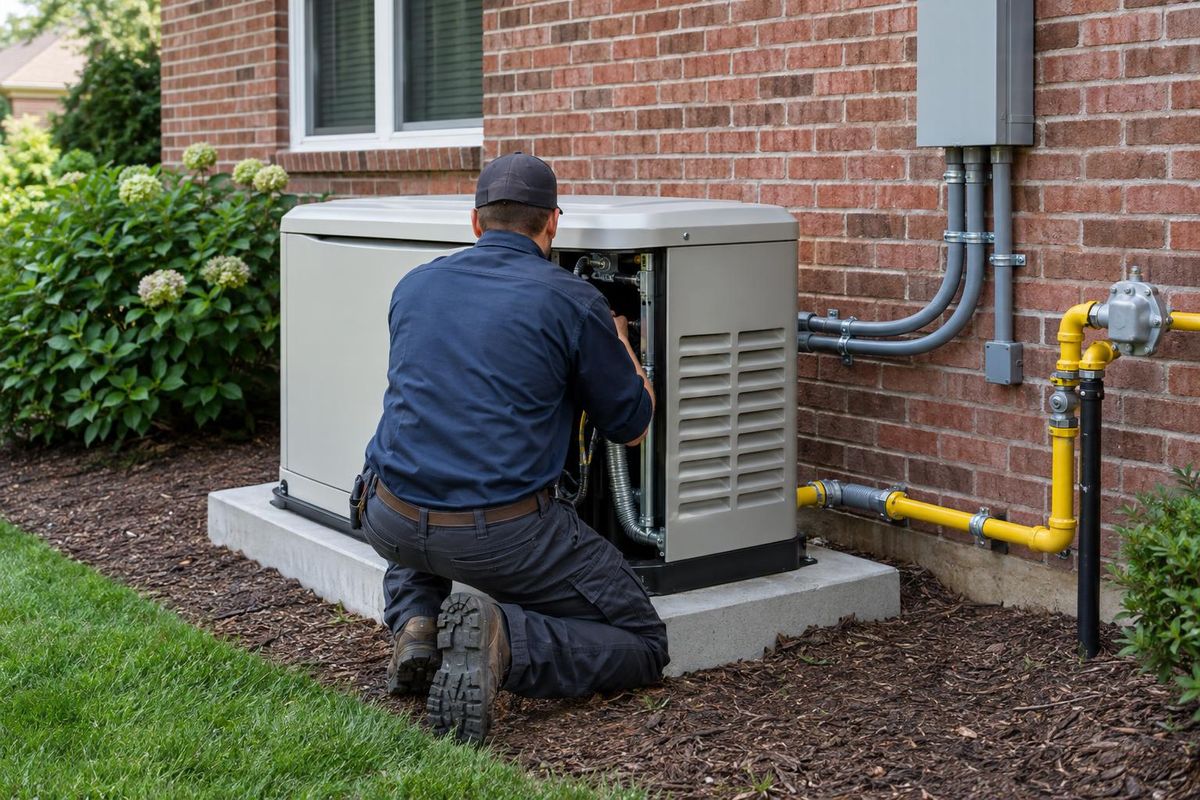
An automatic switch senses an outage, starts the generator and moves the load. It switches back when power returns.
It is the standard partner for a standby generator.
Quick answers
Which should I choose for a portable generator?
A manual transfer switch or an interlock with an inlet. We help you pick based on your panel and goals.
Can I add an automatic switch later?
Often yes, but the setup differs. We can explain what carries over.